
The Thrill of Chance
The allure of casino games often begins with the thrill of chance. People are inherently attracted to the excitement that comes from unpredictability, a defining characteristic of gambling. When individuals place their bets, they step into a world filled with hope for a favorable outcome, frequently unaware of the odds that may be stacked against them. This unpredictability triggers adrenaline spikes, evoking feelings akin to those experienced during extreme sports or other high-stakes activities. In some cases, players might even explore options for funding their gaming activities, such as online pokies australia payid , to enhance their experience. Even the smallest win reinforces the desire to continue playing, creating a cycle that can be challenging to break.
Moreover, the anticipation involved in waiting for the outcome of a game can be intoxicating. Many casino games utilize mechanics like spinning wheels, rolling dice, or drawing cards, all of which heighten suspense. Each moment that passes between making a wager and revealing the result is charged with potential, leading to moments of joy or disappointment. This emotional rollercoaster keeps players coming back for more, as the thrill of chance transcends mere financial implications—it’s about the psychological engagement that encapsulates them in the experience.
Additionally, the dream of striking it rich, even with a minimal investment, serves as a powerful motivator. Stories of individuals winning substantial jackpots circulate widely, fuelling the belief that winning is attainable. This hope draws people into casinos, where they fantasize about playing just one more game that could dramatically change their lives. The compelling nature of chance is a fundamental driver for those who become deeply involved with casino games, making it increasingly difficult for them to walk away from the alluring gamble.
The Social Environment
The social aspect of casino games significantly contributes to their addictive nature. Many individuals find joy in the camaraderie that blossoms from engaging in a vibrant atmosphere filled with fellow gamblers. The communal experience of celebrating wins or sharing losses fosters bonds among players, transforming the activity from a solitary endeavor into a social event. This social interaction is particularly appealing to individuals who may feel isolated, as it offers them a sense of belonging and community through shared experiences and emotions.
Furthermore, casinos are typically designed to enhance social interaction. The layout encourages movement and engagement, facilitating players’ transitions from one game to another while they socialize and celebrate wins together. Observing others win can intensify the desire to play, creating an illusion of shared luck that can be quite compelling. For social individuals, casinos become a second home, a place where they can mingle and forge connections, making the allure of returning even stronger with each visit.

However, the dynamics of this social environment can take a darker turn. The pressure to remain engaged in the gaming atmosphere may lead to excessive gambling, as players feel compelled to keep up with their peers or avoid being excluded from the group. This sense of obligation can contribute to a cycle of addiction, where the need for social acceptance overshadows financial responsibility. Therefore, while the social atmosphere attracts many, it can also lead to behaviors that are ultimately detrimental in the long run.
The Role of Rewards and Incentives
The use of rewards and incentives is a powerful mechanism that keeps players engaged with casino games. Many casinos employ various strategies, such as loyalty programs, free spins, and bonuses, to entice players to return. These rewards create a sense of appreciation and can make players feel valued by the casino. The immediate gratification that comes from winning or receiving a bonus leads to heightened excitement and a desire to keep playing, often resulting in longer gaming sessions and increased spending.
Moreover, the concept of “near misses” plays a crucial role in reinforcing gambling behavior. When players come close to winning, even if they don’t actually win, it can be just as stimulating as a win itself. This psychological phenomenon can keep individuals engaged in gameplay, as they continuously chase the thrill of hitting that elusive jackpot. Players often convince themselves that they are just one game away from a significant win, further entrenching their habits and making it difficult to step away from the gaming table.
Additionally, the allure of competing for larger prizes deepens the attraction. Many games feature progressive jackpots, where the prize pool grows larger until someone wins. The idea of winning an ever-increasing amount can create a sense of urgency, motivating players to keep betting in hopes of being the next big winner. This dynamic not only fosters loyalty but also leads to increased spending, as players believe that their chances of winning improve with each game they play. The strategic design of rewards and incentives ensures ongoing interest and encourages continuous participation in the gaming experience.
The Psychological Aspects of Gambling
The psychology behind gambling addiction is complex and multifaceted. Many individuals find themselves drawn to casino games as a form of escapism from their daily lives. The immersive nature of gaming environments allows players to temporarily forget their problems, providing a sense of relief and distraction from stressors. In moments of anxiety or depression, the casino can serve as a refuge, where the focus shifts entirely to the game at hand, offering a much-needed break from external pressures.
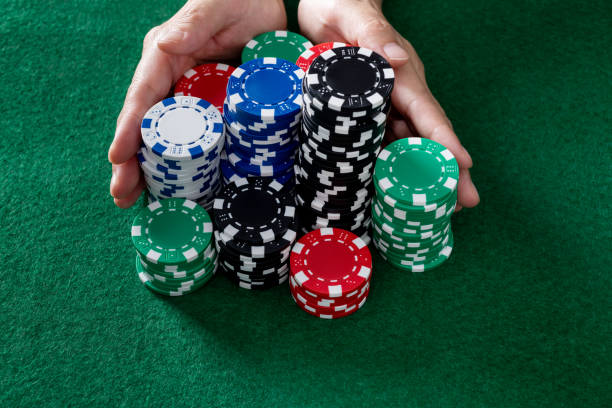
Additionally, cognitive biases, such as the illusion of control, significantly impact the appeal of gambling. Players often believe that their skills or choices can influence outcomes in games of chance. This misconception can lead to overconfidence and a willingness to take greater risks, ultimately resulting in increased losses. Individuals may rationalize their gambling strategies or convince themselves that they can outsmart the system, driving them to spend more time and money in pursuit of a win, which can further entrench their gambling behaviors.
Furthermore, addiction can be exacerbated by underlying mental health issues. Those grappling with depression, anxiety, or other emotional challenges may turn to casino games as a coping mechanism. The temporary high from winning can mask deeper issues, leading to a cycle of reliance on gambling for emotional support. Understanding the psychological factors at play is crucial for recognizing why many become hooked on casino games, as these factors can lead to destructive patterns of behavior that are difficult to overcome without intervention.
Exploring Resources for Responsible Gaming
As the allure of casino games continues to captivate players, promoting responsible gaming practices becomes increasingly essential. Numerous resources are available to help individuals manage their gambling behaviors effectively. Organizations dedicated to responsible gaming offer support, information, and tools for players who recognize that they may have a problem. These resources are crucial in fostering a healthier relationship with gambling, allowing individuals to enjoy the entertainment aspect without succumbing to addictive behaviors.
Additionally, many casinos have begun implementing policies to promote responsible gaming. These may include self-exclusion programs, setting betting limits, and providing access to information about the odds of games. By encouraging players to remain aware of their gambling habits and make informed decisions, these initiatives aim to foster a more sustainable and enjoyable gaming experience. As awareness of the potential dangers of gambling grows, so too does the obligation for casinos to prioritize the well-being of their patrons.
To cultivate a culture of responsible gaming, awareness and education are vital. By understanding the psychological factors and environmental influences that contribute to gambling addiction, individuals can make informed choices regarding their gaming habits. Resources, support networks, and healthy strategies can empower players to enjoy casino games without succumbing to the addictive aspects. The goal is to celebrate the entertainment value of gambling while ensuring a safe and responsible approach for all participants, ultimately enhancing the overall gaming experience for everyone involved.